Hospital Medicine Documentation Excellence Series
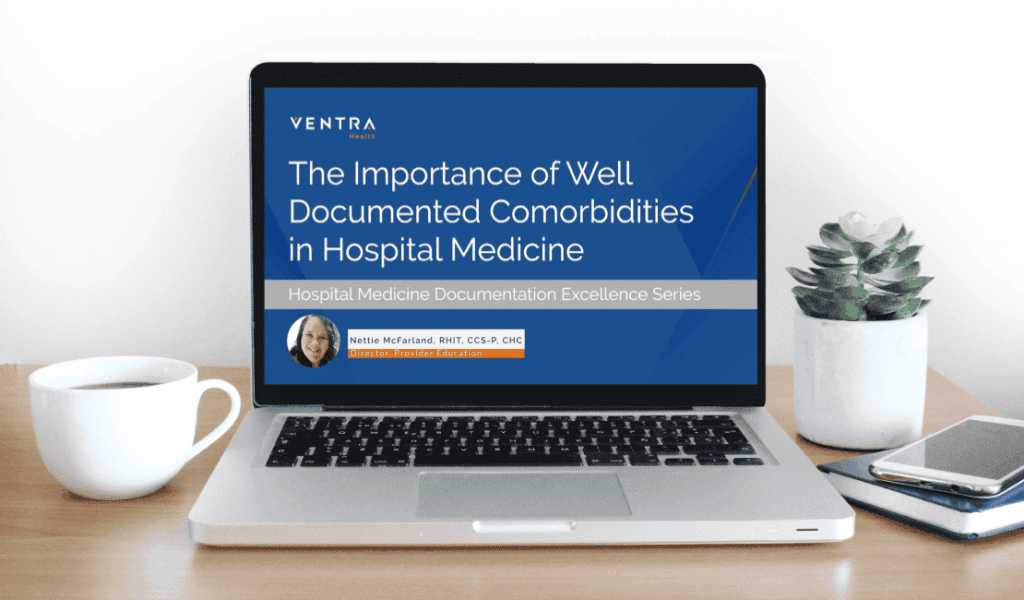
Welcome back to the Hospital Medicine Documentation Excellence Series. In this installment, discover how thorough comorbidity documentation impacts patient safety, care coordination, and hospital quality metrics. Learn best practices for capturing high-value diagnoses—like acute respiratory failure, heart failure, malnutrition, and more—to ensure accurate severity assessment and appropriate reimbursement. This quick, focused session is essential viewing for hospital medicine professionals committed to excellence in clinical care.
Explore more from the Hospital Medicine Documentation Excellence Series:

Ventra Health Launches Strategic Partnership with Radix Health to Offer Independent Dispute Resolution to Providers

5 Strategies for Successful Provider-Payer Contract Negotiations

What to Expect from Your RCM Team: You need a service experience that is bigger than billing and coding

Navigating the 2025 Payment Policy Revisions to Medicare Part B: What Providers Need to Know
Transcript of Video:
Hi. I’m Nettie McFarland with Ventra.
Today, I’m talking about why well documented comorbidities matter so much in hospital medicine. This isn’t just a coding issue. It directly affects patient care, hospital quality metrics, and reimbursement.
As hospitalists, your decisions hinge on understanding the full clinical picture. Comorbidities influence how you assess risk, choose therapies, and anticipate complications.
When documentation is incomplete, the next provider might miss critical context. Clear specific documentation ensures continuity and provides safer, more individualized care.
Comorbidities drive severity of illness and risk of mortality scoring.
If key documentation isn’t captured, the patient looks less sick on paper than they truly are. This mismatch affects resource allocation, escalations of care, and how your outcomes are interpreted. Accurate documentation protects both the patient and the team by reflecting the true clinical complexity.
From an operational standpoint, comorbidities influence DRG assignment and reimbursement. Missing diagnoses could translate into a significant loss of revenue for the hospital.
They also affect publicly reported quality metrics and benchmarking. In other words, documentation impacts not just the patient in front of you, but the institution’s performance as a whole.
Some diagnoses consistently change risk adjustment and should always be captured when clinically present. These include respiratory failure, heart failure with acuity and type, malnutrition, sepsis, chronic kidney disease with staging, diabetes with complications, coagulopathy, and pressure injuries with staging.
The key is specificity. Vague or nonspecific terms don’t help.
A few habits make a big difference. Document cause and effect relationship. Use phrases like due to or secondary to.
Clarify acuity, such as acute, chronic, or acute on chronic. Avoid ambiguous language like history of when the condition is active.
Respond to CDI queries promptly and reassess morbidities on a daily basis because conditions can change during hospitalization.
In the end, accurate comorbidity documentation strengthens patient safety, improves care coordination, supports fair quality metrics, and ensures appropriate reimbursement. It’s not just paperwork. It’s part of delivering excellent clinical care.
If you have any additional questions, please contact us. Thank you very much, and I hope you have a nice day.