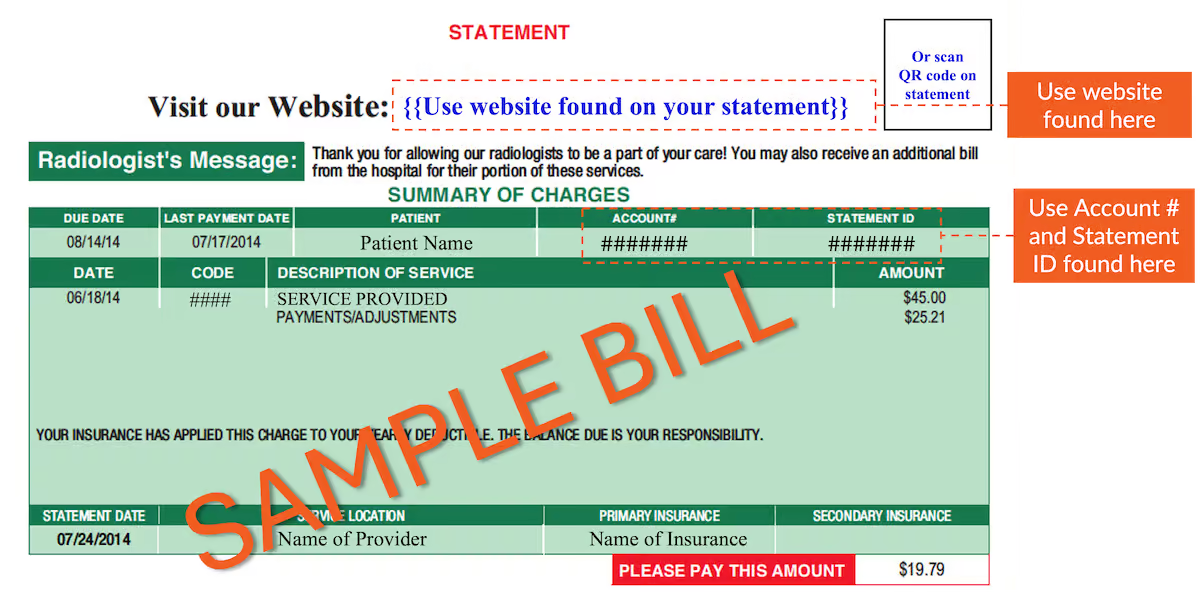
Revenue cycle management (RCM) is the financial and administrative process healthcare organizations use to manage patient care from initial registration through final payment. It connects clinical, administrative, and financial workflows to help healthcare providers receive appropriate reimbursement for the care they deliver.
Effective healthcare revenue cycle management goes well beyond medical billing. Every stage of the revenue cycle can affect cash flow, operational efficiency, and the patient financial experience, which makes managing these interconnected processes an important part of a healthcare organization’s financial stability.
Revenue Cycle Management Supports Financial and Operational Performance
Why is revenue cycle management important? At its core, RCM helps connect the care a healthcare provider delivers with the processes required to receive reimbursement.
An effective RCM process can support:
- More accurate claims and fewer billing errors
- More consistent cash flow
- Compliance with applicable billing and coding requirements
- Greater operational efficiency
- A more straightforward patient billing experience
The healthcare revenue cycle is interconnected. An error early in the cycle, such as incorrect patient information or incomplete insurance verification, can contribute to claim denials, delayed reimbursement, and additional administrative work later.
That’s why effective RCM looks at front-end, mid-cycle, and back-end processes as parts of the same system rather than treating each challenge in isolation.
The Revenue Cycle Management Process Includes Several Connected Stages
While workflows can vary by organization, the revenue cycle management process generally includes these key stages:
- Preregistration and patient registration: Accurate demographic and patient information is collected at the beginning of the revenue cycle.
- Insurance verification and prior authorization: Insurance coverage, eligibility, and authorization requirements are confirmed when applicable.
- Charge capture: Services provided are accurately documented so they can move through coding and billing.
- Medical coding: Clinical documentation is translated into the appropriate medical codes for claims processing.
- Claims submission: Claims are prepared and submitted to the appropriate insurance company or payer.
- Payment posting and remittance: Payments, adjustments, and remittance information are recorded after a claim is processed.
- Denial management: Denied or underpaid claims are identified, investigated, and addressed.
- Patient billing and collections: Remaining patient responsibility is communicated, and outstanding patient payments are managed.
Other functions can support this cycle as well. For example, timely provider enrollment can support reimbursement readiness and payer participation.
Common Revenue Cycle Challenges Can Lead to Delayed or Lost Revenue
Problems in the revenue cycle often begin upstream but become visible later as denials, delayed payments, or additional administrative work.
Common challenges include:
- Missing or inaccurate patient information
- Insurance eligibility or authorization issues
- Clinical documentation gaps
- Coding and billing errors
- Denied claims
- Complex or changing payer requirements
These challenges can increase staff workload, slow payment collection, and contribute to revenue leakage.
Complexity can be particularly significant for facility-based physician specialties, where coding requirements, payer policies, provider enrollment dependencies, and clinical workflows may differ.
Revenue Cycle KPIs Help Healthcare Leaders Measure Performance
Revenue cycle teams need visibility into what is working and where processes may need attention. Key performance indicators can help healthcare leaders evaluate RCM performance and identify potential bottlenecks.
Important metrics include denial rate, which tracks the percentage of claims denied by payers; clean claim rate, which measures claims processed without additional correction or intervention; and days in accounts receivable (A/R), which indicates how long it takes to collect outstanding balances.
Collection performance can provide additional insight into how effectively an organization converts amounts owed into revenue.
Using revenue cycle analytics can help organizations spot trends across these metrics and better understand where workflow improvements may be needed.
Analytics, AI, and Automation Can Help Improve Revenue Cycle Management
Improving healthcare revenue cycle performance often requires looking across the entire workflow rather than fixing one problem at a time. The right RCM team can help identify recurring issues, monitor performance, and uncover opportunities to strengthen the revenue cycle.
Organizations can review recurring bottlenecks, strengthen documentation and coding processes, and use analytics to identify denial patterns or performance gaps. AI and automation in RCM can also support repetitive administrative processes where appropriate.
Technology is most useful when it supports visibility and more efficient workflows rather than replacing revenue cycle expertise. Specialty knowledge remains particularly important when navigating complex coding, billing, and payer requirements.
Frequently Asked Questions About Revenue Cycle Management
What Is Revenue Cycle Management in Healthcare?
Revenue cycle management is the administrative and financial process healthcare organizations use to manage the revenue associated with patient care, from registration and insurance verification through billing, reimbursement, and final payment.
What Are the Main Steps in Revenue Cycle Management?
The main steps typically include patient registration, insurance verification, charge capture, medical coding, claims submission, payment posting, denial management and patient billing and collections.
Why Is Revenue Cycle Management Important?
Effective RCM can support accurate claims, timely reimbursement, cash flow, compliance, operational efficiency, and the patient financial experience.
How Can Healthcare Organizations Improve Revenue Cycle Management?
Healthcare organizations can focus on accurate front-end information, complete documentation, coding and billing quality, proactive denial management, workflow review, analytics, and appropriate automation.
Strengthen Revenue Cycle Performance With the Right Expertise
Strong revenue cycle management depends on connected processes, accurate information, and visibility across the entire cycle.
Ventra Health helps healthcare organizations navigate revenue cycle complexity with expertise tailored to facility-based physicians. Learn more about our RCM solutions and how Ventra Health can support stronger operational and financial performance.